web application deception
why are web application at resk?
Even if you regularly update your Web Applications and implement effective patch management for third-party software, there is no such thing as guaranteed full protection. The security of the entire infrastructure will always depend on the weakest element in your network. Constantly checking third-party libraries used in programming not only requires the necessary IT know-how, but also costs a lot of time.
Experience shows that hackers often find vulnerabilities faster than they are patched by manufacturers. Weak passwords or phishing attacks, in which the attackers get hold of an employee’s access data directly via fake emails or telephone calls, also play a part.
How can I protect my company’s Web Applications?
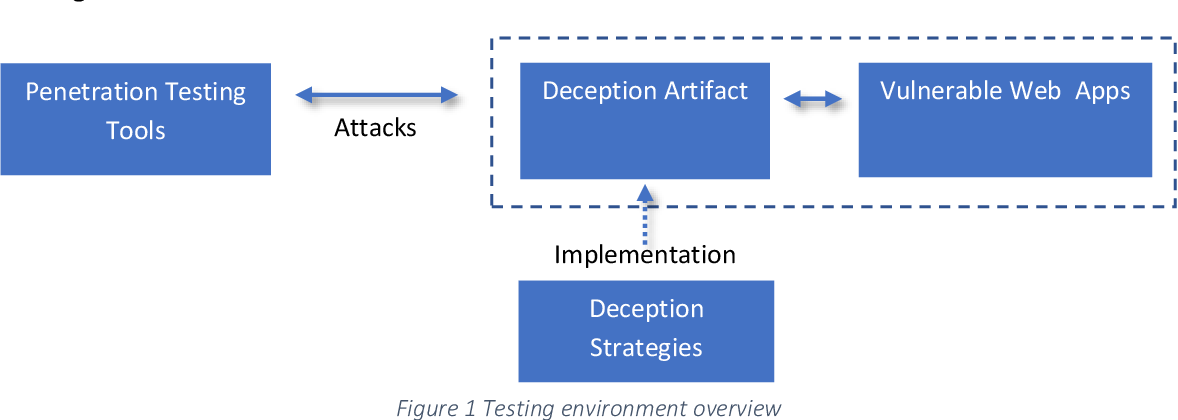
To successfully prevent a hacker attack with Web Application Deception, an older version of the application is specially prepared and placed online. To potential attackers, everything looks so real that they inevitably stumble upon strategically placed lures in the application’ source code. These lures (invisible to normal users, by the way) are directly linked to monitored traps called decoys. As soon as a hacker follows one of the lures, he is tracked at every turn.
In the Web Application Deception environment, the uninvited guest can therefore “let off steam” without causing any harm or finding any genuine company data. At the same time, the system monitors and evaluates the behavior of the attacker, generating valuable threat intelligence data that can be accessed via a dashboard or via risk management reports. This data can be imported into any SOC/SIEM systems, anti-virus software, and firewalls to holistically strengthen security measures in the production network.
Get your intel directly from the experts.
We are sharing all the latest and greatest cybersecurity knowledge in our webcasts, events, demos and more–come join us.