
uses of honeypot
What are the uses of honeypot?
Uses of honeypot are many, Honeypots are used to capture information from unauthorized intruders that are tricked into accessing them because they appear to be a legitimate part of the network. Security teams deploy these traps as part of their network defense strategy. Honeypots are also used to research the behavior of cyber attackers and the ways they interact with networks.
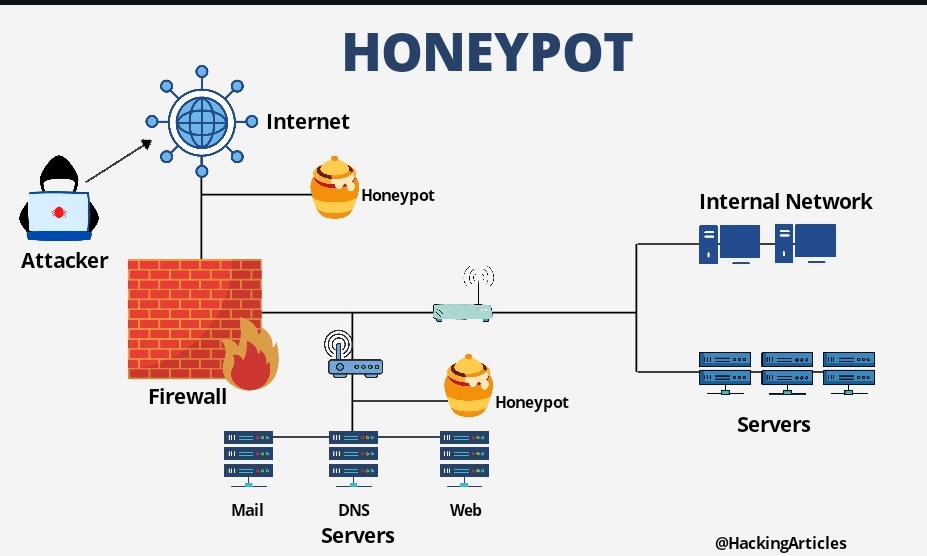
Spam traps are also similar to honeypots. They are email addresses or other network functions set up to attract spam web traffic. Spam traps are used in Project Honey Pot, which is a web-based network of honeypots embedded in website software. Its purpose is to harvest and collect the Internet Protocol (IP) addresses, email addresses and related information on spammers so web administrators can minimize the amount of spam on their sites. The group’s findings are used for research as well and by law enforcement to combat unsolicited bulk mailing offenses.
Honeypots aren’t always used as a security measure. Anyone can use them for network reconnaissance, including hackers. For instance, a Wi-Fi Pineapple lets users create a Wi-Fi honeypot. Wi-Fi Pineapples are relatively cheap because consumer devices are used to create a fake Wi-Fi network that mimics a real one in the vicinity. Unsuspecting individuals mistakenly connect to the fake Wi-Fi network, and the honeypot operator can then monitor their traffic. Wi-Fi Pineapples also have legitimate uses, such as for penetration testing (pen testing), where ethical — or white hat — hackers are hired to identify vulnerabilities in a network.
Get your intel directly from the experts.
We are sharing all the latest and greatest cybersecurity knowledge in our webcasts, events, demos and more–come join us.