
deception technology market
deception technology market
Market Overview
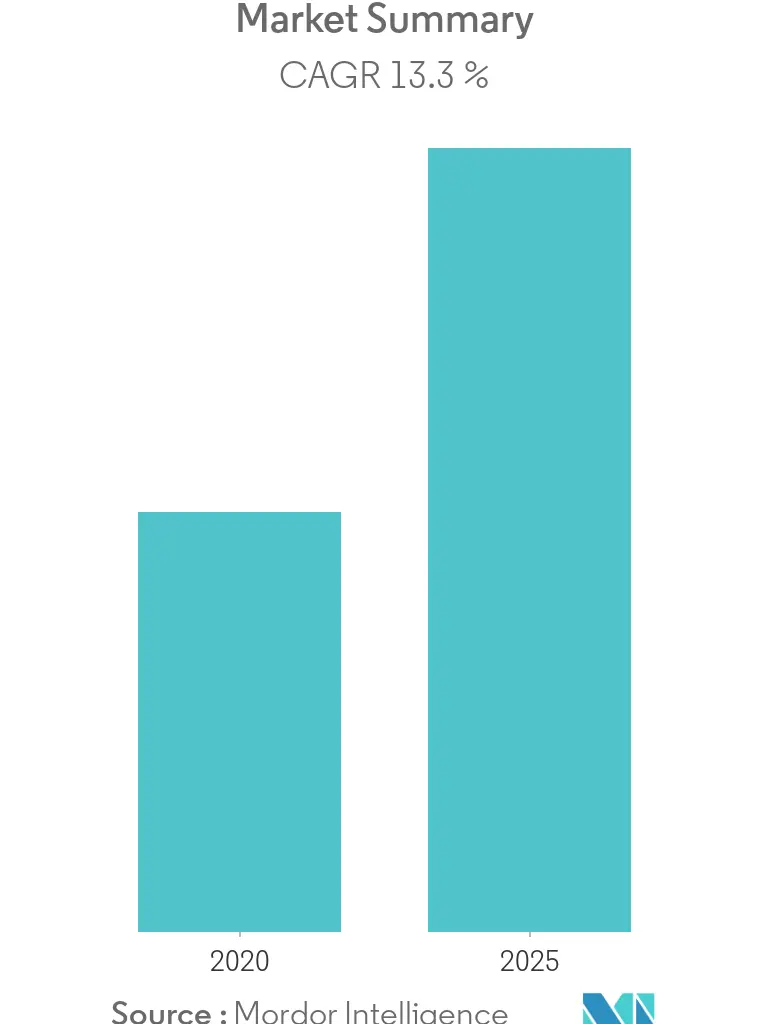
The deception technology market was valued at USD 1335.5 million in 2020, and it is expected to reach USD 2814.16 million by 2026, registering a CAGR of 13.3% over the forecast period, 2021 – 2026. Deception technology is an advanced security solution to detect and prevent targeted attacks. Deceptions are achieved through the usage of purposeful obstructions, false responses, misdirection, and forgery.
- Owing to the higher level of cyber threats, there has been an increasing need from the organizations to detect and mitigate advanced risks that have already breached the network. This has been boosting the adoption of deception technology.
- The current security tools have been effective at flagging up anomalies but are not significant at defining their impact and risk potential. These tools result in the generation of many alerts, most of which are needed to be investigated by security teams despite many of them being a waste of time. The resources are spent wastefully assessing these false threats, while the real and present threats can be missed out. By altering the asymmetry of an attack, deception technology helps the security teams to focus on real threats to the network. The scenarios like these have been aiding the deception technology to gain momentum over the past five years.
- Currently, many deception solutions have AI and machine learning (ML) built into their core. These features not only ensure that deception techniques are kept dynamic but also help in the reduction of the operational overheads and the impact on security teams, by freeing them from continually creating new deception campaigns. For instance, in October 2019, CSIRO’s Data61 signed a significant research project with the cybersecurity firm, Penten, to build AI-enabled cybersecurity defense technology, also known as deception technology that includes cyber traps and decoys. The research will focus on extending Penten’s work on applying AI to tackle cyber attackers, using deception technology.
Scope of the Report
One of the emerging categories of cybersecurity defense is deception technology. It results in a more proactive security position to deceive the attackers, detect them, and defeat them, thereby, allowing the enterprises to return to normal operations. The technology operates by generating traps or deception decoys that copy legitimate technological assets throughout the infrastructure. After triggering of the trap, notifications have been broadcasted to a centralized deception server that records the affected decoy and the attack vectors that were used by the cybercriminal.
Key Market Trends
Government Sector to Witness Significant Market Growth
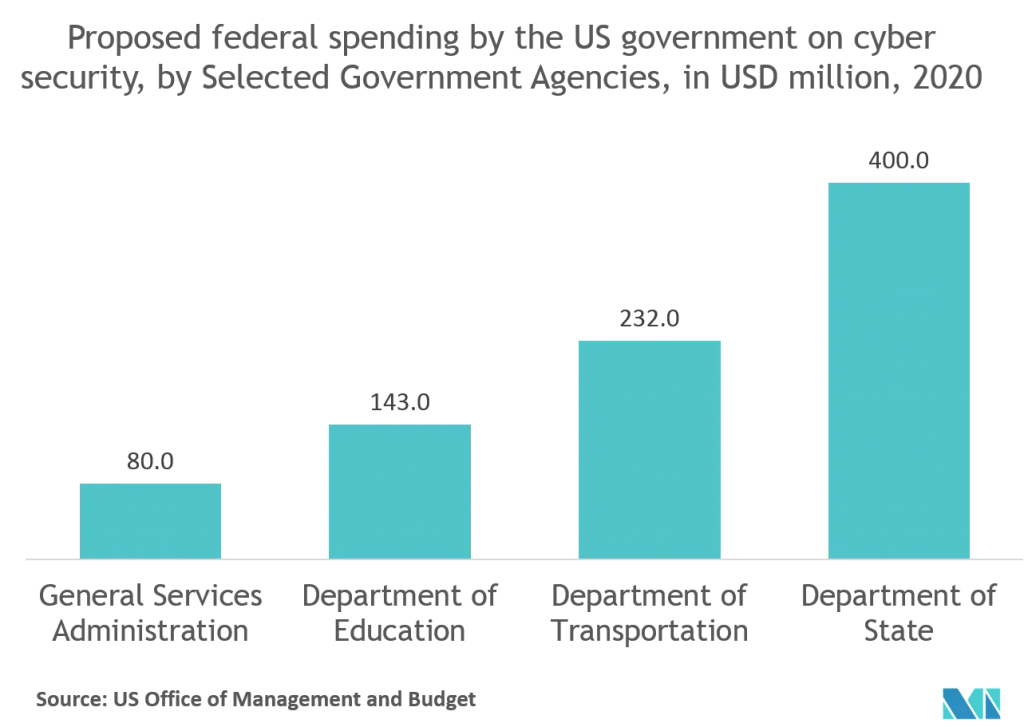
- Deception technology offers government entities the foundation for an active defense that provides early and accurate detection of in-network threats and the ability to respond to them quickly and decisively. Recognizing the importance of deploying deception to protect critical information, the National Institute of Standards and Technology has included it in drafts of SP 800-160 and 800-171b.
- The rise of advanced persistent threat (APT) attacks in government is expected to create opportunities for the market studied over the forecast period. For instance, a prominent attack was code-named, Deep Panda, and compromised over 4 million US personnel records, which may have included details about secret service staff. Deep Panda is an APT attack against the US Government’s Office of Personnel Management, probably originating from China.
- The increasing investments from the government or related regulatory bodies to further prevent the cybercrime onslaught is expected to boost the adoption of the deception technologies over the forecast period. In April 2019, the NPCC National Cybercrime Program announced a multi-million-pound investment from the UK Government, which states that every police force in England and Wales would have a dedicated cybercrime unit in place.
North America Occupies the Largest Market Share
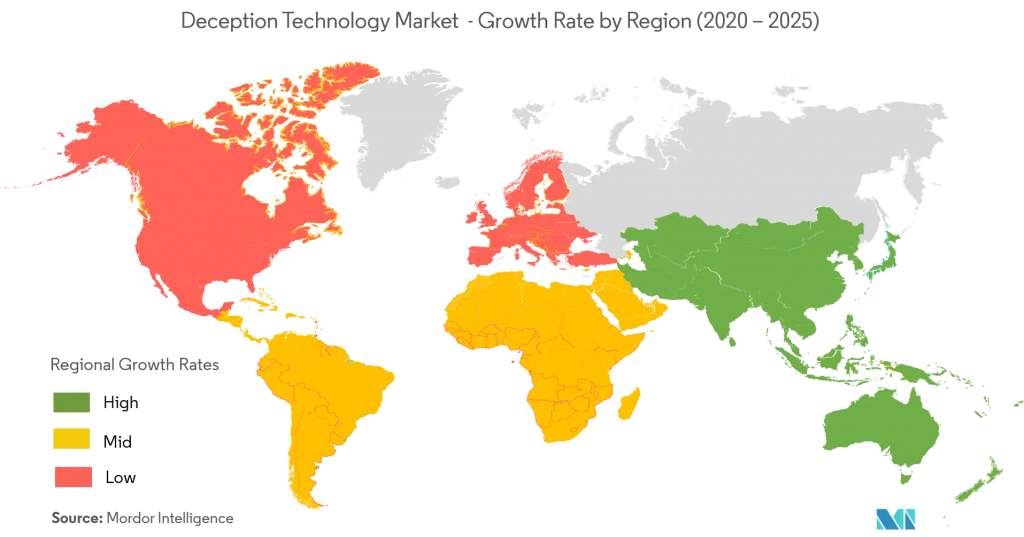
- North America is the largest region for the deception technologies, as the region has a high demand for protection and control systems against cybercrimes. Also, the region has the highest adoption rate of IoT technologies, leading to a growing need for data security.
- The major trends responsible for the growth of deception technology in the North American region include the growing number of smartphone devices and an increase in the adoption of social apps, which generate ample data that contain valuable information. This has significantly increased the risk of cyber threats.
- The cyberattacks in the United States have increased dramatically over the past few years. For instance, in March 2020, the US Health and Human Services Department suffered a cyber-attack on its computer system, part of what people familiar with the incident called a campaign of disruption and disinformation that was aimed at undermining the response to the coronavirus pandemic and may have been the work of a foreign actor.
- With the availability of adequate infrastructure, the presence of numerous global financial institutions, high frequency of cyberattacks, and increased adoption of connected technologies are expected to drive the growth of the deception technology market in the North American region.
Competitive Landscape
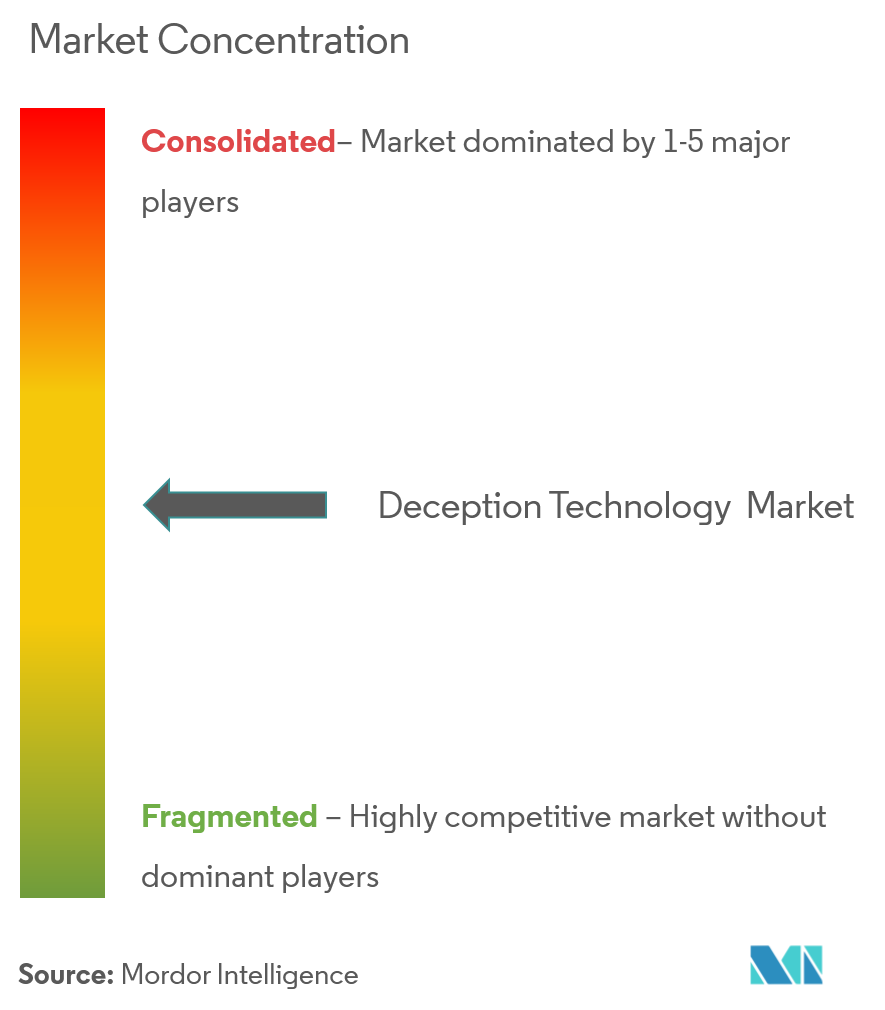
The deception technology market is highly competitive, owing to the presence of many small and large players. The market studied is moderately concentrated with the key players adopting strategies, like product innovation and mergers and acquisitions, to extend their reach and stay ahead of the competition. Some of the key players in the market are Symantec Corporation, Rapid7 LLC, and WatchGuard Technologies Inc., among others.
- March 2020 – Attivo Networks and Seminole State College of Florida announced a joint initiative aimed at closing the global cybersecurity skills gap. Beginning Fall 2020, Seminole State College would be among the first institutions of higher education in the United States to incorporate threat deception instruction into the cybersecurity specialization component of its associate and bachelor’s degree programs in Information Systems Technology.
- February 2020 – GuardiCore announced several new capabilities in its Guardicore Centra Security Platform designed to help security architects visualize, segment, and protect cloud-native applications, while further simplifying the process for reducing risk to mission-critical business applications through segmentation. The company expanded its Centra Security Platform.
Get your intel directly from the experts.
We are sharing all the latest and greatest cybersecurity knowledge in our webcasts, events, demos and more–come join us.
Overview of deception technology
Whether you want to picture deception technology as a worm dangling on a fish hook, a chunk of cheddar hidden in a mousetrap, or the notes of an enticing siren song luring sailors to their death, the message is the same: Deception technology is bait. By setting irresistible traps that appear to be legitimate IT assets, it entices attackers on your internal network to interact with them, triggering an alert and giving your team the time, insight, and context they need to respond effectively. Because no one within your organization needs to interact with deception technology as part of their job, any activity it records is automatically suspicious. Therefore, a key benefit of deception technology is high-fidelity alerts that identify very specific malicious behaviors.
Deception technology can reduce attacker dwell time on your network, speed up mean time to detect and remediate, reduce alert fatigue, and provide vital information around indicators of compromise (IOCs) and tactics, techniques, and procedures (TTPs).
Honey users
Honeypots are decoy systems or servers that are deployed alongside production systems within your network. They can look like any other machine on the network or be deployed to look like something an attacker could target. There are many applications and use cases for honeypots, as they work to divert malicious traffic away from important systems, identify anomalous network scans, and reveal information about attackers and their methods.
In terms of objectives, there are two types of honeypots. Research honeypots gather information about attacks and are used specifically for studying malicious behavior out in the wild. Looking at both your environment and the wider world, they gather information on attacker trends, malware strains, and vulnerabilities that are actively being targeted by adversaries. This can inform your preventive defenses, patch prioritization, and future investments.
Production honeypots, deployed on your network, help reveal internal compromise across your environment and gives your team more time to respond. Information gathering is still a priority, as honeypots give you additional monitoring opportunities and fill in common detection gaps around identifying network scans and lateral movement.
Straightforward and low-maintenance, honeypots help you break an attack chain and slow adversaries down with high-fidelity alerts and contextual information. Interested in learning more about honeypots? Check out our page on honeypot technology.