

Deception Technology VS Honeypot
Deception Technology VS Honeypot
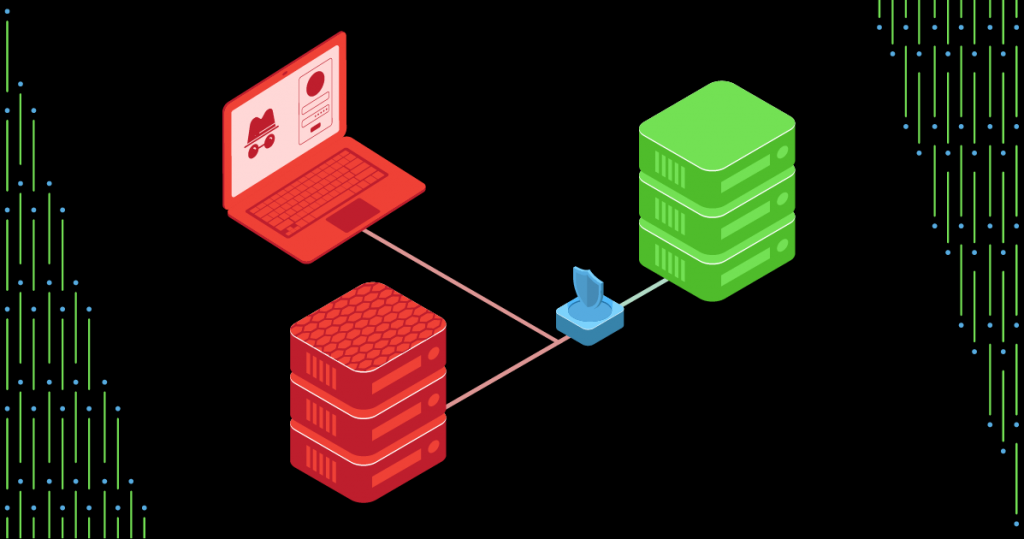
The basic concept of honeypots are decoy systems with desired fake data, isolated and monitored for activity to divert and detect attackers with no risk to real data, operations or users. Traditionally, honeypots were created to bait attackers with fake credit card data and access credentials on stand-alone systems to learn who enters, their methods and what they desire. Honeypots have evolved to automated deception technology, which is more dynamic and acts as a smart-alarm system.
Honeypots were the first form of deception technology. IT security researchers started using them in the 1990s, with the intent to deceive malicious actors who had made it onto the network into interacting with a false system. In this way, honeypots could gather and assess the behavior of the malicious actors. They were not created for threat detection. However, things have changed a great deal in the years since honeypots were created – including deception technology.
Deception technology today
Once an attacker is inside the network, today’s deception technology gives security teams the earliest and most effective method for detecting and halting an attacker’s movements. At the same time, deception dramatically increases the effort and costs for the attacker.
This next generation of deception technology is smarter, too. Automation and machine learning support rapid deployment and touch-free refreshes to maintain deception authenticity. Intelligent deception systems can recommend and craft customized network, system, application, server and data deceptions that appear native to the environment.
The old-school honeypot sits by itself and collects data in isolation. Today’s deception technology moves the focus of deception beyond the honeypot to the endpoint, server and device. This gathers information across the production environment, provides previously unimagined visualization of the attack surface, and offers highly efficient detection of cyber threats at the attack beachhead.
Next-gen deception technology: Points to consider
Below are four criteria to help make the selection of a next-gen deception technology solution easier:
Active defense, not reactive: Cyber criminals are going to continue to evolve and become more sophisticated in their approaches. That’s a fact. Organizations cannot afford to take a purely reactive or passive approach to defense. Being proactive will make a world of difference in protecting your organization from damaging breaches and attacks.
Makes the production system the focus: It’s no longer enough to focus on diverting attackers away from the production system, as honeypots do. As mentioned above, next-generation deception technology needs to focus on the production system itself. When evaluating a potential solution, it’s important to make sure the focus is on the product environment and not just aimed at diversion.
Consider the integrations: Deception technology should integrate well with other security solutions. That includes Security Incident and Event Management (SIEM,) Endpoint Detection and Response (EDR) and Security Orchestration, Automation and Response (SOAR) software. Having these integrations helps ensure the threat detection capabilities can enhance the resolution capabilities of other technologies as well.
Value beyond detection: When it’s time to make an investment in deception technology, it’s important to choose a solution that offers you aspects beyond simple detection.
Deception for a new day
In the field of technology, change is the only constant. Decades ago, honeypots served an important function. But the times and technology have changed, and bad actors avoid honeypots easily. They may still be of use, but the rising star today is distributed deception technology, offering a smarter option for quick threat detection. The deception technology available today is automated and scalable, saving on human effort and able to provide true early detection to quickly stop attacks. Use the recommendations above to carefully choose the deception technology that best serves the organization.
Get your intel directly from the experts.
We are sharing all the latest and greatest cybersecurity knowledge in our webcasts, events, demos and more–come join us.